Friday, April 15, 2016

GoPro Cameras Now Work With Third-Party Apps, Accessories

After GoPro's announcement, Engadget got a closer look at more than two dozen of the 100-plus partner developers.

In addition to the footage saved on the GoPro camera, the app will also save a low-resolution version of the video to the connect smartphone, enabling the driver to watch their lap below the M Laptimer's map view.

The move is part of the company's new developer program, which is created to add a new platform with GoPro that third-party developers can use to advance their products.

With this third-party agreement, developers have the option of either creating mobile apps that seamlessly work with the company's product line or, perhaps even more importantly, allow developers to physically or via Wi-Fi or Bluetooth connect additional peripherals to the company's cameras.

CEO and founder of GoPro Nick Woodman said the program will help enable what comes next for the company.

"We're grateful to benefit from the collective genius of the participating developers and we're excited to now officially support their efforts with our developer toolkits".

Technology industry titans including Google, Facebook, Apple and Microsoft have long courted outside developers whose innovations can make products or services more hip, fun, or functional.

GoPro has had a tough year - from the king of the action camera market to scaling back on employees and products.

"We are thrilled to welcome Vuzix to the GoPro Developer Program", said Adam Silver, director of strategic product partnerships at GoPro. GoPro revenue fell 31 percent year-over-year in its 2015 holiday quarter, forcing the company to also adjust its Q1 2016 forecast. But the developer program also has interesting implications for live video.

The company went public in June 2014 with shares initially priced at $24 that soared in subsequent months, more than tripling in value at one point.


Source: GoPro Cameras Now Work With Third-Party Apps, Accessories

Thursday, April 14, 2016

Android N Dev Preview 2 Introduces New Camera UI, Lets You Take Photos While Shooting Video Again, And More [APK Download]

In the latest taste of Android N, we've seen changes to emoji, wallpapers, fast app switching, and other aspects of the Android interface. Now we're highlighting what's new in the camera.

Okay, partially new. One of the most exciting changes here is the return of the ability to take photos while shooting a video. But this feature comeback is part of a greater change to the camera interface. Visual tweaks are aplenty. The panel is now semi-transparent black instead of grey (as a reader pointed out). Slow motion has appeared in the side menu. The icon for switching between front and rear-facing cameras has gone from square to round. And the shutter button has also received some love.

Camera4

Camera1 Camera2 Camera3

To make things better, you don't have to install the developer preview to get your hands on these changes. The APK is available for download, and it can run on general Android devices running 6.0.

You can grab the file at the usual location below. And here's the changelog to gloss over while you're scrolling down.

What's New:

  • You can now take photos while shooting video once again (there's a new button on the top right)
  • Slow motion is now a separate pullout menu item rather than a button in regular video mode
  • Updated shutter button
  • Updated icon for front/rear camera swap
  • Note, not every feature is guaranteed to work, and developer preview APKs in general can be crashy.

    Disclaimer: Android Police isn't responsible for any harm to your device - proceed at your own risk.

    The APK is signed by Google and upgrades your existing app. The cryptographic signature guarantees that the file is safe to install and was not tampered with in any way. Rather than wait for Google to push this download to your devices, which can take days, download and install it just like any other APK.

    File Name: com.google.android.GoogleCamera

    Version: 3.2.040 (2746612-30)

    MD5: 1b2f2ebef1e8bf9cdc702020999e3a74


    Source: Android N Dev Preview 2 Introduces New Camera UI, Lets You Take Photos While Shooting Video Again, And More [APK Download]

    GoPro Dev Program Means Camera-Equipped Toys, Cars, More

    Expect to see everything from children's toys to car racing apps gain GoPro compatibility, thanks to a new developer program the company announced today.

    The program is aimed at mobile apps, devices that connect to the camera, and mounts and housings. GoPro also announced a "Works With GoPro" verification program, which will include a logo that partners can display on their websites, product boxes, and marketing materials.

    More than 100 companies and developers have already integrated GoPro into their products over the past two years, including Fisher-Price and BMW. 

    With the Fisher-Price integration, parents will be able to add GoPro cameras to certain toys, including Jumperoo, Walker, and Gym products. The camera housings are child-friendly, and of course the GoPro cameras themselves should be able to handle just about anything a kid can throw at it.

    BMW has developed a lap timer app for driving enthusiasts, which records car telemetry data, speed, location, as well as video from a driver's GoPro camera. It's aimed at people who frequent "track days," when racetracks open their courses to the general public for a chance to push their cars to the limit without fear of speeding tickets.

    Of course, there are already countless ways to integrate GoPro cameras with other devices and apps, from Periscope integration to a wealth of third-party mounting accessories. GoPro CEO Nick Woodman acknowledged this already-substantial add-on market; the official developer program doesn't mean his company is turning its back on that, he said.

    "The GoPro Developer Program is a way for us to celebrate the innovative work of our developer community and more importantly, help enable what comes next," he said in a statement. "We're grateful to benefit from the collective genius of the participating developers and we're excited to now officially support their efforts with our developer toolkits."


    Source: GoPro Dev Program Means Camera-Equipped Toys, Cars, More

    Wednesday, April 13, 2016

    HTC 10 brings back the UltraPixel camera and tries to simplify Android

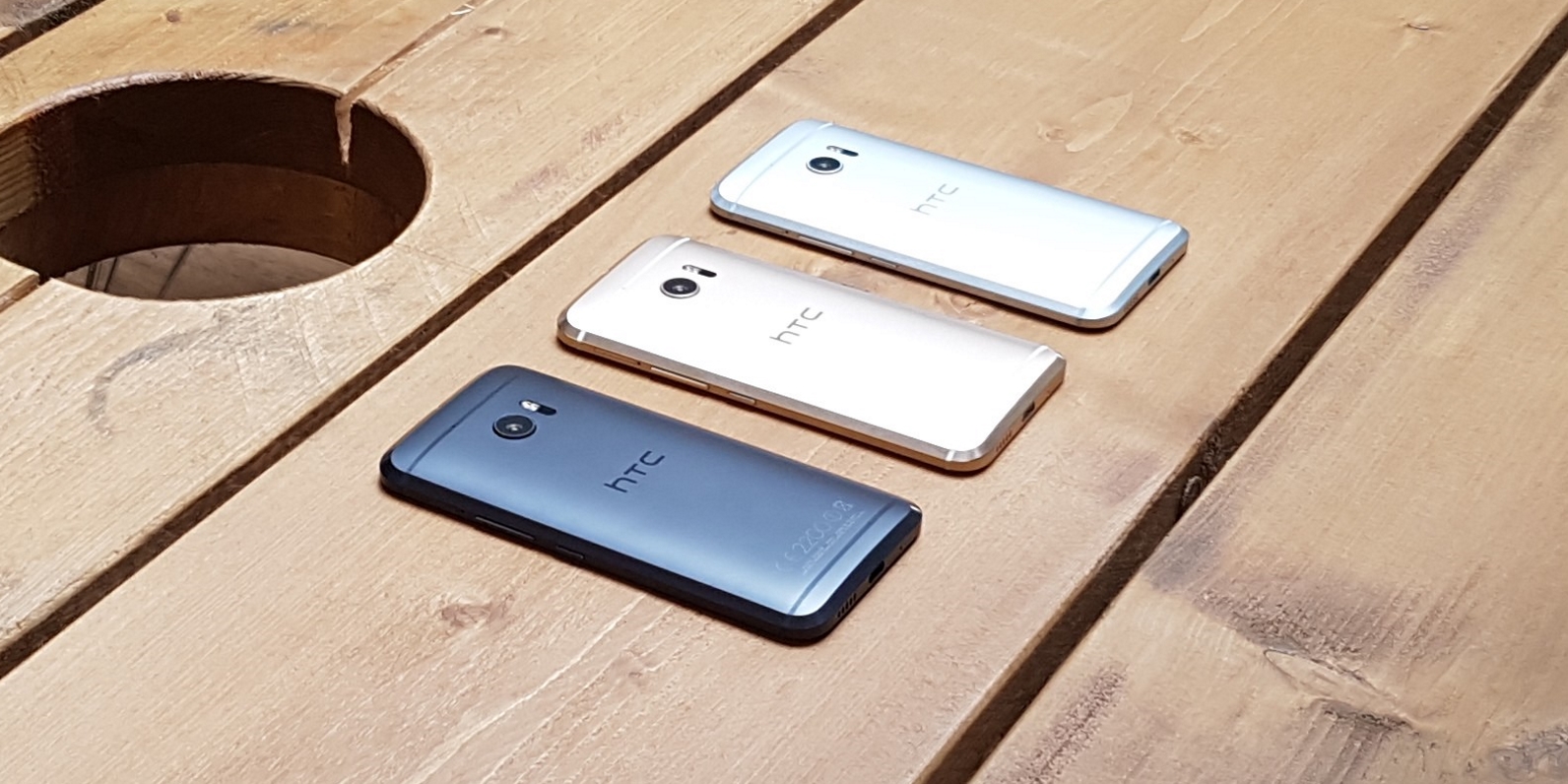
    HTC has unveiled its much-leaked HTC 10 flagship smartphone, which sees the return of the company's unique UltraPixel camera setup and a greater focus on getting rid of pre-loaded bloatware.

    While it keeps the same metal approach as the One M7/8/9, the handset now has chamfered edges that taper to just 3mm thick. Key hardware specs include microSD support, 32GB storage, 4GB RAM, a Snapdragon 820 Octa-core chipset and a 3,000mAh battery. Exact chip details will vary according to region, HTC says.

    So. Much. Tech.

    Some of the biggest names in tech are coming to TNW Conference in Amsterdam this May.

    HTC10-3

    On the rear of the handset, there's a 12-megapixel 'UltraPixel 2' camera sensor with an f/1.8 aperture to let in more light and offer optical image stabilization (OIS). HTC says that the camera launches and focuses quicker than previous handsets too.

    On the front, there's a 5.2-inch display with a 2,560 x 1,440 resolution and 564 pixels-per-inch (PPI), which should make for super-sharp images and text.

    HTC10-top

    There's a 5-megapixel 'UltraSelfie' sensor on the front, which also has OIS – a rarity in a smartphone.

    What all of this focus on photography means is that the HTC 10 can capture 4K video, and there's a new range of options and redesigned camera UI to make everything a little easier to access.

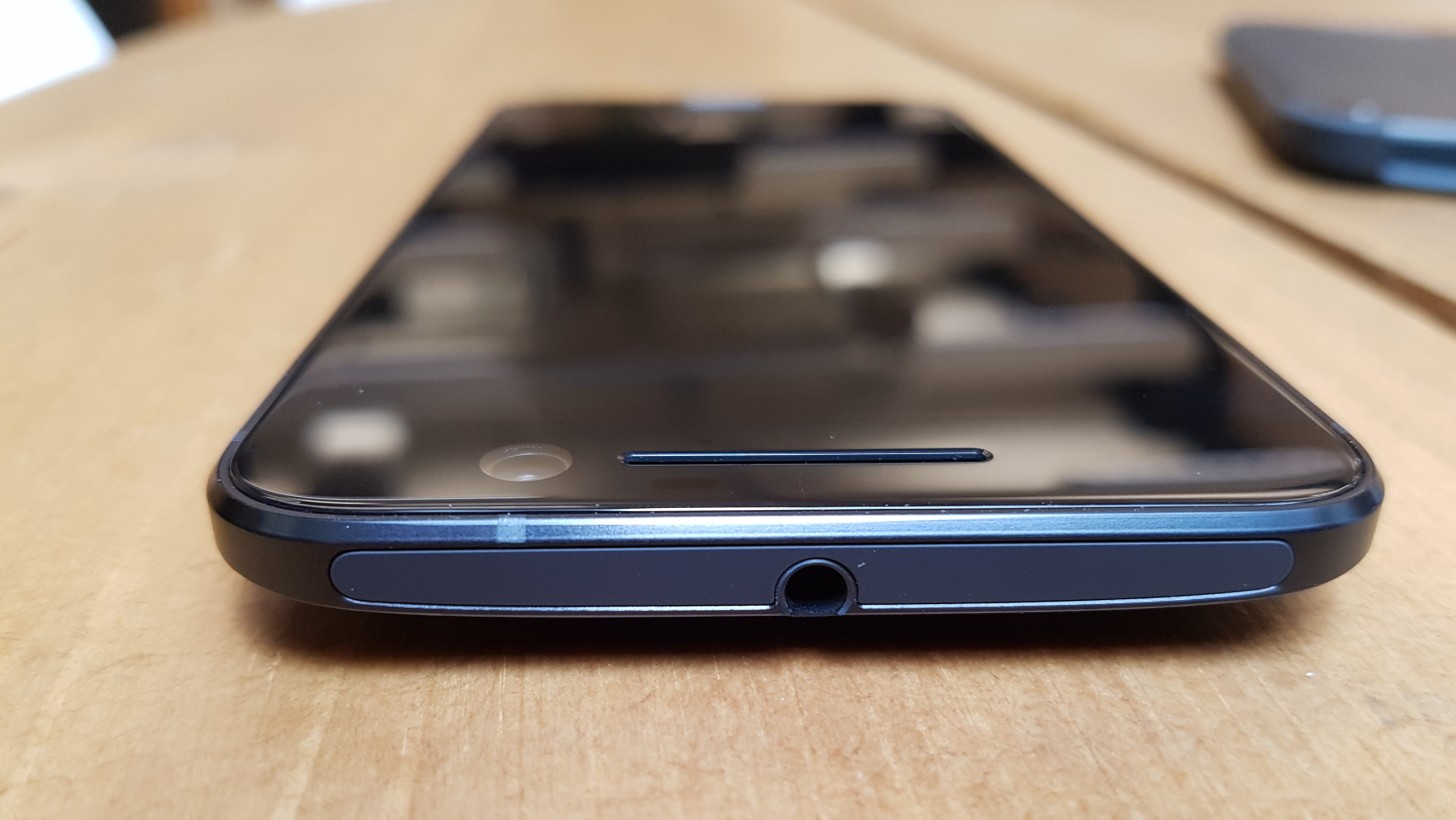
    HTC fans will note that the front-facing Boom Sound speakers haven't made a return but the company argues that the new placement at the top and bottom of the chassis for the HTC 10 will deliver even better volume and quality. The main speaker is at the top of the handset, with the sub on the bottom – and it's now called the 'BoomSound Hi-Fi Edition.'

    As part of a push to simplify the user experience, HTC has also put efforts into ensuring that the Android OS contains fewer duplicate apps than you'd normally find on a manufacturer-optimized handset. In the past, for example, HTC's flagship would ship with two camera or gallery apps but the 10 won't.

    HTC10-sensor

    Instead, HTC says it's only pre-installing the apps that give the best experience, regardless of whether those are in-house or Google's own.

    This is a smart approach to the software side of things for more than one reason. Primarily, it's a move that should win customer approval – no one likes bloatware or being confused by which app you should use for each function. Beyond that though, it also allows for deeper integration of the chosen apps within the OS.

    For the HTC 10, for example, the company worked with Google to make the Photos app natively accessible from the camera and to accept all photo formats, like RAW, Zoe, etc. directly. On the audio side of things, it now supports streaming music directly to Airplay devices too.

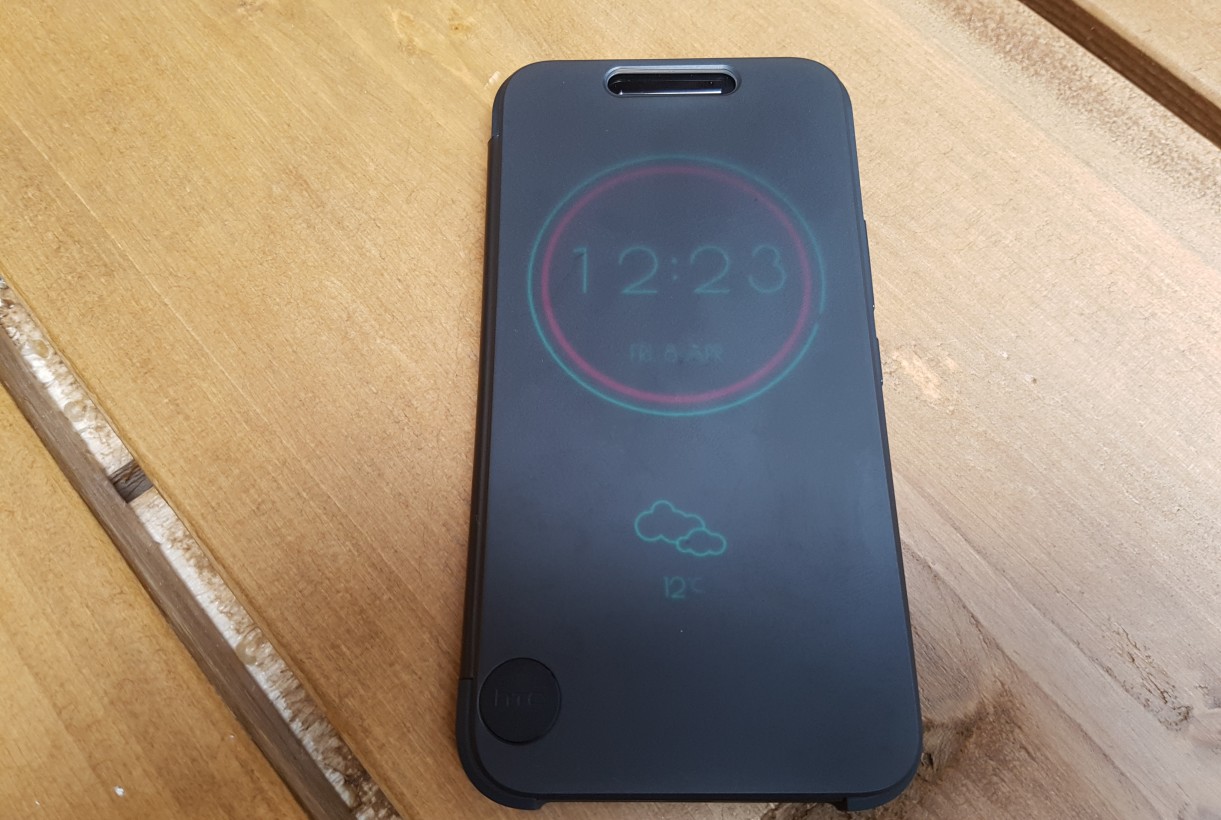
    Rounding off the notable changes, there's a successor to the Dot View case called 'Ice View' that allows for higher resolution display on the outside of the case, and offer quick access to things like launching the camera.

    HTC10-iceview

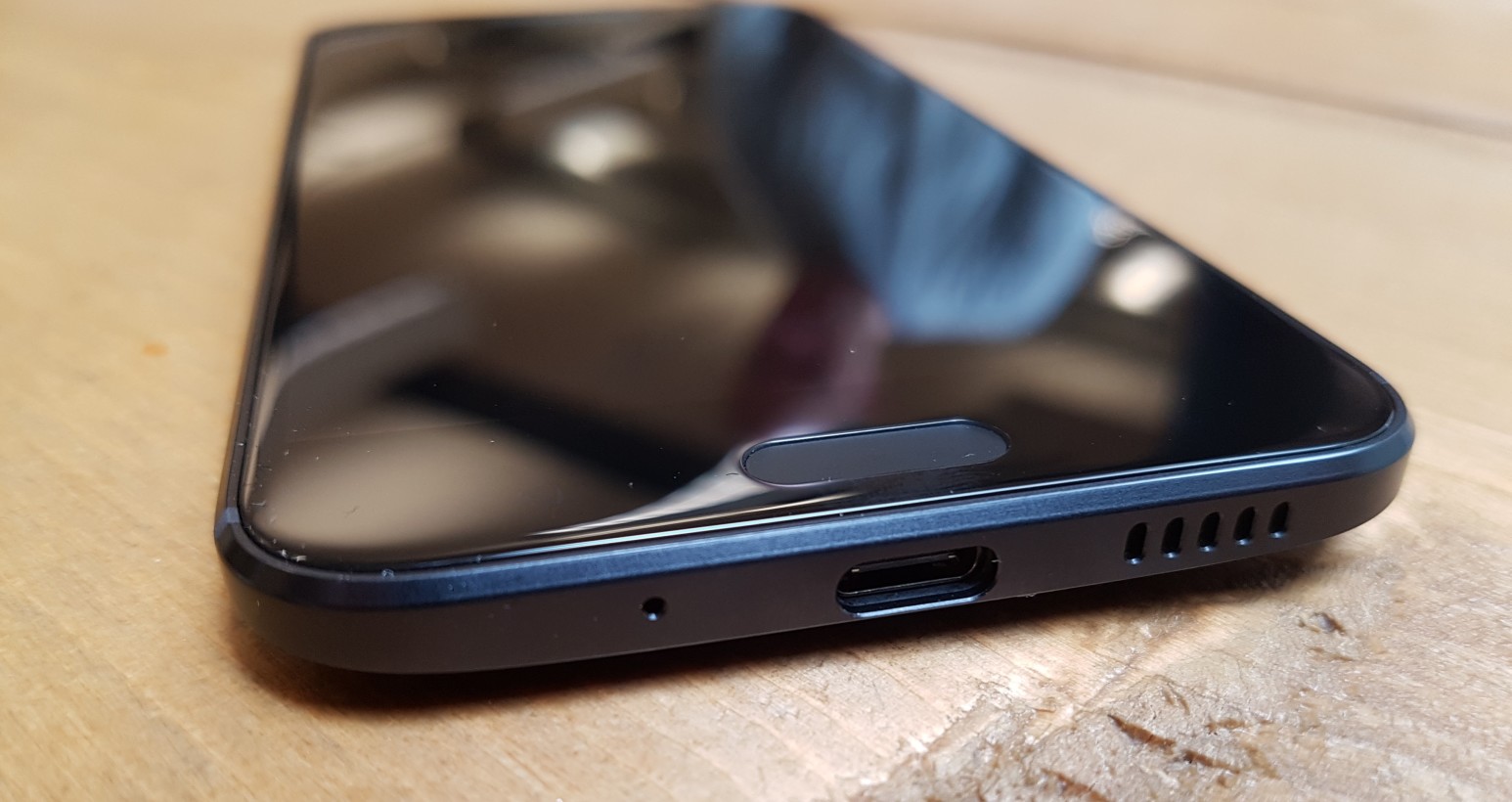
    It also now uses USB Type C for charging and connectivity, and HTC has a set of USB C-equipped headphones (sold separately) on the way in the future too, though they won't be on sale at launch.

    USB-TypeC

    If the changes have piqued your interest in HTC's smartphones once again, you'll likely want to know exactly when they'll arrive in Europe and the US and how much it'll cost.

    The handset's available to pre-order now in the US from $700 and is due to arrive on store shelves from early next month.

    Don't forget to check out our hands-on first impressions! 

    Read next: This big data project shows poorest in the US now have same live expectancy as the Sudan

  • Contact Mail Tweet
  • Location London, UK
  • Posts 2286
  • Posts / mo. 65.56

  • Source: HTC 10 brings back the UltraPixel camera and tries to simplify Android

    Facebook open-sources a camera design for capturing spherical footage in 3D

    Facebook Surround 360 camera rig image 001

    At its annual developers conference, the F8, which kicked off yesterday, the social networking giant Facebook announced an open-source spherical camera rig design which can shoot 360-degree video in 3D. Dubbed the Facebook Surround 360, the design consists of as many as fourteen wide-angle cameras bolted onto the horizontal ring.

    There's also a fish-eye camera on top and two on the bottom for a total of seventeen cameras that are synced with a global shutter mechanism. The accompanying software stitches the individual videos together into one seamless 360-degree footage.

    According to Facebook, its video-stitching code is the most efficient offering in the industry and will be released to GitHub this summer. Facebook, as you know, bought the virtually reality headset maker Oculus VR last year and recently added support for 360-degree videos to the News Feed and mobile Facebook apps.

    Facebook Surround 360 camera rig image 003

    The camera, which can be accessed from a web interface, won't be actively marketed by Facebook: it's a reference design meant to help developers and manufacturers build their own Surround 360 projects using off-the-shelf parts.

    "Connecting through virtual reality is an amazing, immersive experience, and we want to do our part to make sure more people have a chance to experience it in the future," says the company.

    "We'll open source the Facebook Surround 360 camera design and stitching code to help developers and creators unlock ideas and innovate faster to accelerate the burgeoning 3D-360 ecosystem."

    Facebook Surround 360 camera rig image 004

    With this new camera system, Facebook says it wants to give content creators, developers, filmmakers and other professionals the tool to help drive the adoption of virtual-reality-style video.

    Other major news from yesterday's event include Messenger officially becoming a new software platform with the announcement of customer service chat bots and Live Chat APIs and Facebook doubling down on live video by opening up the Live Video APIs to developers to let them write apps which support broadcasting live on Facebook.

    Other newsworthy announcements include the Account Kit, a feature for logging into apps with just a phone number or email address, the Profile Expression Kit for building apps for creating Facebook profile videos, a new format for sharing quotes on Facebook, the Save button for websites to make it easy for visitors to save interesting articles, products, videos, and more from around the web into their Saved folder on Facebook, to name but a few.

    To learn more, visit facebook360.fb.com, where you can check out 360-degree videos yourself in Mozilla's Firefox or Google's Chrome browser (360 videos on Facebook aren't viewable on Safari or Internet Explorer).

    Source: Facebook


    Source: Facebook open-sources a camera design for capturing spherical footage in 3D

    Tuesday, April 12, 2016

    HTC 10 Re-Focuses On the Camera and BoomSound

    Article Comments  

    Yesterday, 7:00 AM   by Eric M. Zeman   @phonescooperupdated Yesterday, 3:31 PM

    Updated: Clarified that earbuds are not included with the phone.

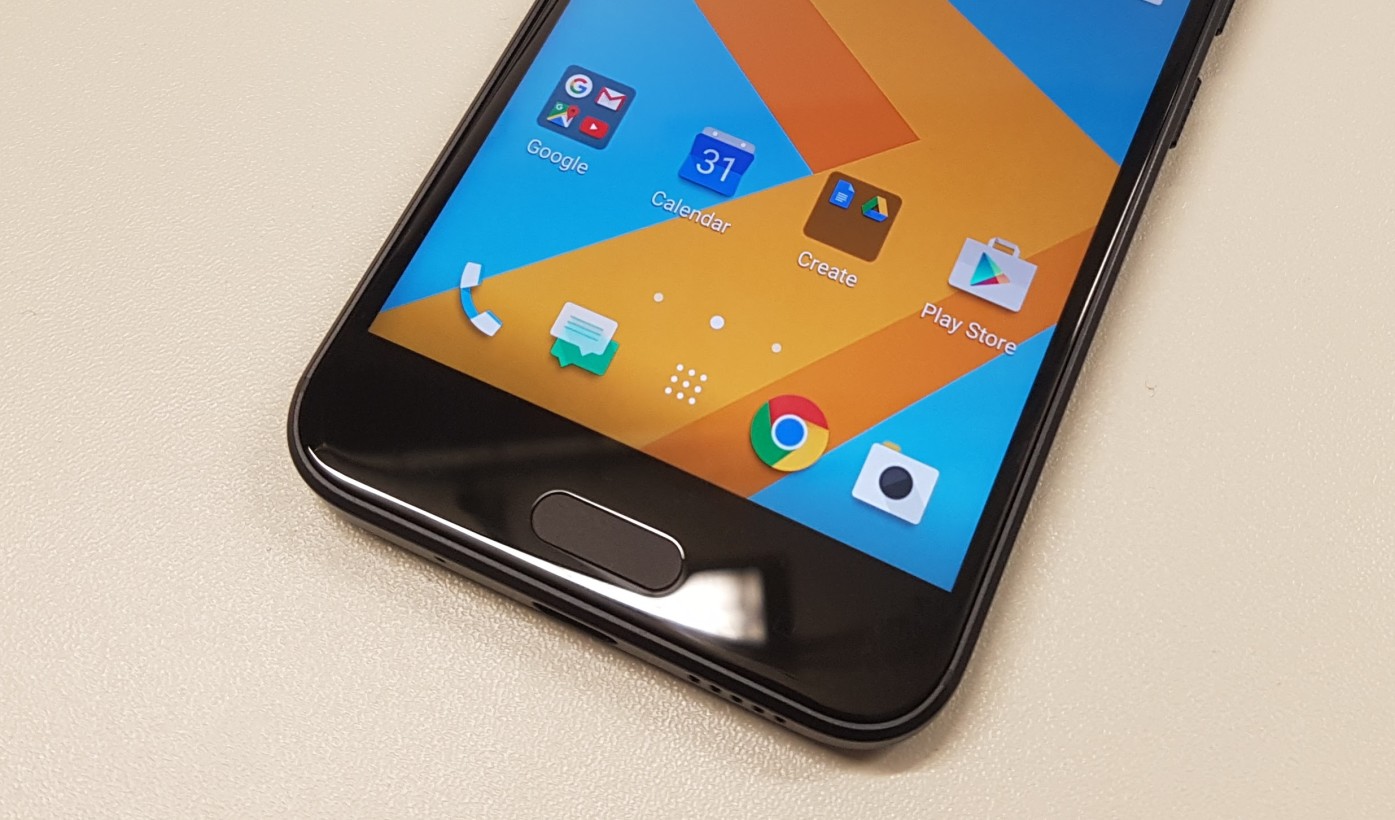
    HTC today announced the 10, its flagship handset for 2016. This Android phone carries forward an aluminum design, for which HTC has become known, and makes big improvements to the camera, software, and other core features. The 10 is milled from a single block of metal and includes exaggerated chamfers along the edges to help set it apart visually from competing models. The 5.2-inch quad HD screen is covered in 2.5D glass that curves where it meets the metal. HTC stepped up the camera to 12-megapixels. The camera can launch in 0.6 seconds, has an aperture of f/1.8, and includes optical image stabilization, laser-assisted focus, and two-tone flash. The user-facing c amera rates 5-megapixels and also includes an aperture of f/1.8 and OIS. The phone runs Android 6.0 Marshmallow with the freshest version of Sense from HTC. Importantly, HTC is committed to reducing app duplication on its devices and has dropped a handful of its own apps (calendar, calculator, browser, gallery) in favor of Google's. The 10 also drops some Google apps (camera, messenger) in favor of HTC-made apps. HTC made changes to BoomSound, as well. Rather than offer two full-range speakers that deliver stereo sound, HTC separated the speakers into their tweeter and woofer components, located in the earpiece and along the bottom edge, respectively. HTC claims this arrangement delivers superior sound quality, even if it's not stereo. At the same time, HTC added software that allows people to create individual sound profiles that can be paired with the optional set of earbuds. Other hardware features include a Snapdragon 820 processor with 4 GB of RAM, 32 GB of storage, and support for 2 TB memory cards. The 10 relies on a USB Type-C connector and includes the same fast fingerprint sensor found on the One A9. The HTC 10 packs a 3,000mAh battery with Quick Charge 3.0 and advanced power management functions that HTC says delivers two days of battery life. The HTC 10 will be available in silver, gold, gray, and red. HTC said Sprint, T-Mobile, and Verizon Wireless plan to sell the phone in the days ahead. Each carrier will announce pricing individually. Separately, HTC plans to sell an unlocked (for AT&T/T-Mobile) and bloat-free version of the 10 from its own web site. The unlocked version will be available in silver and gray. It costs $699 and includes one year of Uh Oh Protection against cracked screens and water damage.

    more info at HTC »

    AD       article continues below...

    No messages yet


    Source: HTC 10 Re-Focuses On the Camera and BoomSound

    This is the first official camera for Facebook's Live Video: the Mevo

    mevoLivestream See Also What to expect from Facebook's biggest event of the year How 'chatbots' could change the balance of power in tech Facebook just proved how serious it is about live video with a huge product update

    Facebook has made a huge push into live broadcasting recently, including putting a new video discovery hub right in the center of its app.

    And on Tuesday, Facebook debuted its first official camera hardware partner for live video, a nifty camera from industry pioneer Livestream called the Mevo.

    The Mevo camera is a rebrand of a camera called Movi, which impressed critics earlier this year at the Consumer Electronics Show in Las Vegas.

    The main pitch of the Mevo is that its software lets you easily cut between different camera angles, and makes it look like you have multiple cameras set up, when in fact you only have one.

    "The idea is that you can have a TV studio in your pocket," Livestream CEO Jesse Hertzberg tells Business Insider. "That one person could produce a TV-quality show."

    While you are live-streaming, Mevo automatically detects things like faces, and then you simply tap to cut between angles. If we use the recent popular BuzzFeed live video as an example — the one where they blew up a watermelon — Mevo could have cut between the faces of the experimenters, the watermelon, and any other points of interest.

    There are limits, however. Since the Mevo is one physical camera that shoots wide-angle video at 150 degrees, this limits which angles you can cut to, but you can vary the visuals quite a bit.

    If you don't want to edit on the fly (or if you are in the video yourself), Mevo can automatically edit for you. It does this by sensing things like movement or who is talking. But be aware that you might not get a perfect cut.

    The Mevo costs $399 and will ship in July (though if you pre-order it, you can get $100 off). 

    In Mevo's previous incarnation, it required a $9 per month subscription to stream to Livestream's platform, but for Facebook Live, it will be free. Right now, the only live-streaming platforms it works with are Facebook Live and Livestream, though Hertzberg says other partnerships are planned. You can also have Mevo function as a normal camera (not live), and upload the footage wherever you want.

    movi_live_event_camera_black_1212022Livestream

    As for the specs, the Mevo produces 720p video (from a 4K feed) and records audio from a built-in mic. The battery only lasts for one hour, but there is an additional accessory that adds up to 10 hours of battery life.

    Hertzberg says that in pre-orders, the groups that have shown the most interest are businesses (for things like all-hands, conferences, and so on), performing artists, and people want to film their kids. But expects all sorts of different uses if it becomes popular on Facebook's platform.

    Facebook also annouced on Tuesday that it will open up its Live Video API to developers, allowing them to build the ability to broadcast live to Facebook into many devices, including drones.

    Here is an example of what the Mevo can do:

    NOW WATCH: Facebook's new Oculus headset will make you feel like you're floating in space Please enable Javascript to watch this video
    Source: This is the first official camera for Facebook's Live Video: the Mevo